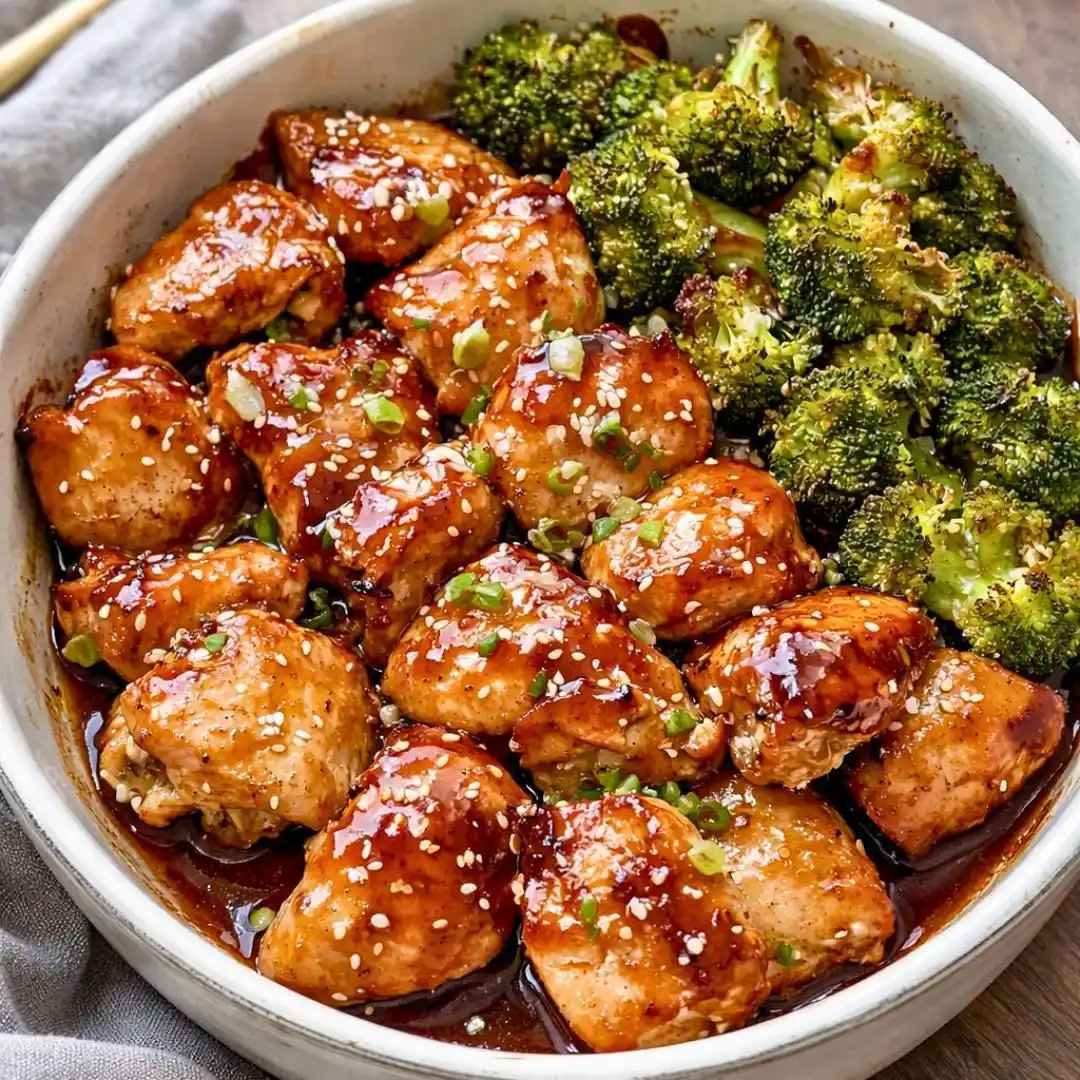
Teriyaki chicken in an air fryer delivers tender, juicy meat with a caramelized glaze in under 25 minutes. This recipe combines perfectly seasoned chicken thighs with a homemade teriyaki sauce that clings to every bite. Air frying eliminates excess oil while achieving restaurant-quality crispiness and authentic Asian-inspired flavor that rivals takeout.
| Prep Time | Cook Time | Total Time | Servings | Difficulty | Cuisine |
|---|---|---|---|---|---|
| 10 minutes | 15 minutes | 25 minutes | 4 servings | Easy | Asian |
Why This Recipe Works
I discovered that air frying chicken thighs transforms them into something extraordinary. The high heat creates a golden, crispy exterior while the meat stays incredibly moist inside. Unlike traditional pan-frying or baking, the air fryer circulates heat uniformly, eliminating the need for excessive oil and reducing cooking time significantly.
The teriyaki sauce I developed balances sweetness from honey with umami from low-sodium soy sauce and ginger. I add cornstarch to create a glossy, clingy glaze that coats each piece perfectly. The combination of sesame oil and rice vinegar provides depth and prevents the sauce from tasting one-dimensional or overly sweet.
This recipe beats takeout because you control sodium levels and ingredient quality. Making teriyaki sauce fresh takes just five minutes, and you avoid mystery additives found in bottled versions. The result tastes fresher, costs less, and impresses your family with minimal effort.
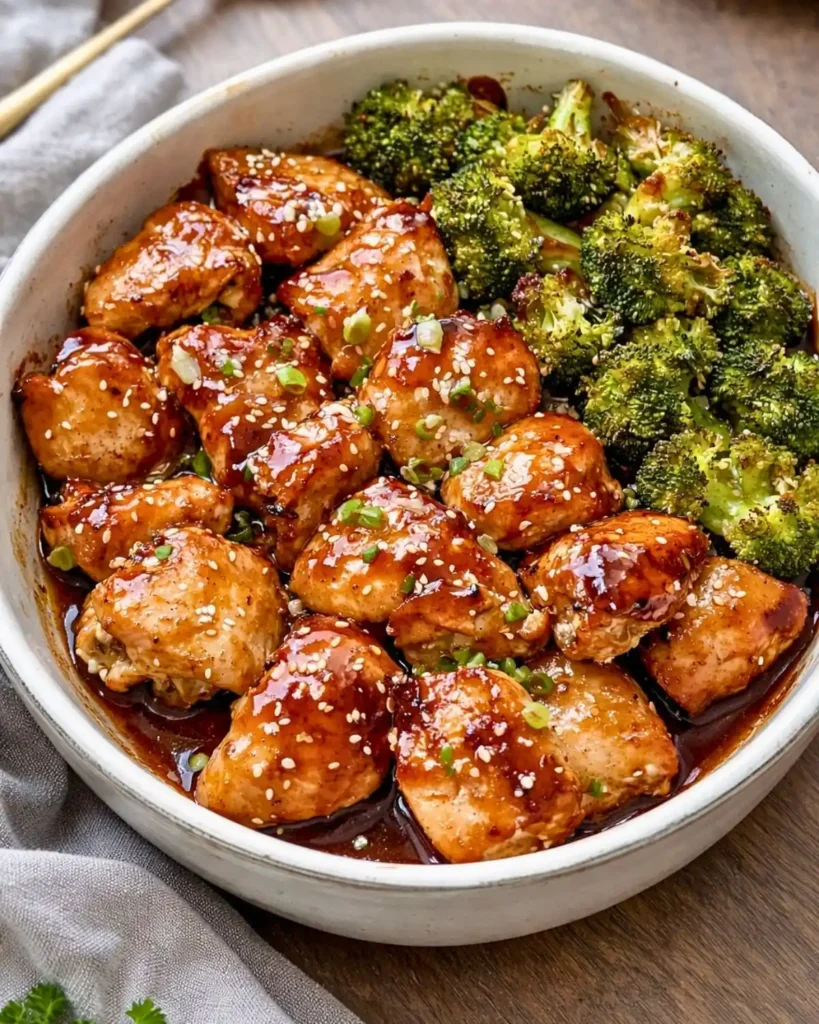
Ingredients
| Ingredient | Quantity | Notes & Alternatives |
|---|---|---|
| Boneless, skinless chicken thighs | 4 pieces | Chicken breasts work but thighs stay juicier. Each thigh should weigh 5-6 oz. |
| Olive oil | 1 tablespoon | Avocado oil or neutral oil works equally well for high heat. |
| Salt | ½ teaspoon | Kosher salt enhances seasoning more effectively than table salt. |
| Black pepper | ½ teaspoon | Freshly ground pepper delivers superior flavor compared to pre-ground. |
| Garlic powder | ½ teaspoon | Substitute ¼ teaspoon minced fresh garlic if you prefer intensity. |
| Low-sodium soy sauce | ¼ cup | Standard soy sauce adds excess sodium; low-sodium maintains flavor with control. |
| Honey | 2 tablespoons | Maple syrup substitutes 1:1 for a deeper, earthier sweetness. |
| Brown sugar | 1 tablespoon | White sugar works but brown adds molasses complexity and moisture. |
| Sesame oil | 1 teaspoon | Essential for authentic teriyaki flavor; toasted sesame oil preferred. |
| Rice vinegar | 1 tablespoon | White vinegar diluted to half strength works in a pinch; adds brightness. |
| Fresh ginger, grated | 1 teaspoon | Ground ginger uses ⅓ teaspoon but lacks fresh peppery bite. |
| Minced garlic | 1 teaspoon | Jarred minced garlic acceptable; ¼ garlic clove finely minced equals 1 teaspoon. |
| Cornstarch slurry | 1 tablespoon cornstarch mixed with 2 tablespoons water | Creates glossy, thickened glaze. Mix immediately before adding to avoid separation. |
| Sesame seeds | For garnish | White or black seeds both work; toasted adds deeper nutty flavor. |
| Chopped green onions | For garnish | White and light green parts provide color; dark green parts add mild onion bite. |
Step-by-Step Instructions
Preparation Phase
- Pat the chicken thighs dry using a paper towel, removing all excess moisture from the surface. This critical step helps seasonings adhere and enables the exterior to crisp properly during air frying.
- Rub each chicken piece thoroughly with one tablespoon of olive oil, coating all sides evenly. This light oil layer prevents sticking and promotes browning.
- Season all chicken pieces with salt, black pepper, and garlic powder, distributing seasonings uniformly across both sides. Taste the seasoning by calculating ratios: the salt should be barely perceptible at this stage.
Air Fryer Cooking Phase
- Set your air fryer to 380°F (190°C) and allow it to preheat for 3-5 minutes until the display shows preheating is complete. Preheating ensures consistent heat distribution and prevents uneven cooking.
- Arrange the seasoned chicken thighs in the air fryer basket in a single layer without overlapping pieces. Overcrowding traps steam and prevents the crispiness you want.
- Air fry for 12-15 minutes, stopping at the midpoint to flip each piece. Use tongs to prevent seasoning loss and ensure even heat exposure to both sides.
- Check the internal temperature using a meat thermometer inserted into the thickest part of each thigh, confirming it reaches 165°F (75°C) for food safety. If the temperature reads below 165°F, return the chicken to the air fryer for 2-3 additional minutes.
Sauce Preparation Phase
- While the chicken cooks, combine low-sodium soy sauce, honey, brown sugar, sesame oil, rice vinegar, grated ginger, and minced garlic in a small saucepan. Measure ingredients precisely into a bowl before pouring to prevent mistakes.
- Place the saucepan over medium heat and bring the mixture to a gentle simmer, stirring occasionally for even heating. Watch carefully to prevent rapid boiling, which reduces sauce viscosity.
- In a small cup, mix cornstarch with two tablespoons of cold water, stirring until completely smooth with no lumps remaining. This prevents clumping when added to the hot sauce.
- Pour the cornstarch slurry slowly into the simmering sauce while stirring continuously in a circular motion. Continue cooking for 2-3 minutes until the sauce visibly thickens and develops a glossy appearance.
- Remove the saucepan from heat and set the sauce aside, allowing it to cool slightly for one minute before coating the chicken. Cooler sauce adheres better than extremely hot sauce.
Finishing Phase
- Transfer the cooked chicken from the air fryer to a clean mixing bowl immediately after removing it from heat. Speed ensures the chicken remains warm for optimal sauce absorption.
- Pour the prepared teriyaki sauce over the chicken pieces and toss gently using two forks or a spatula, coating each piece evenly. Alternatively, brush sauce onto individual pieces for lighter coverage.
- Arrange the glazed teriyaki chicken on a serving plate or individual plates immediately. Arrange pieces to showcase the glossy glaze.
- Garnish with sesame seeds sprinkled across all pieces and chopped green onions scattered over the top. Garnishing adds visual appeal and provides textural contrast.
- Serve immediately with steamed jasmine rice, roasted vegetables, or a crisp green salad for a complete balanced meal. Serve the dish hot for maximum flavor impact.
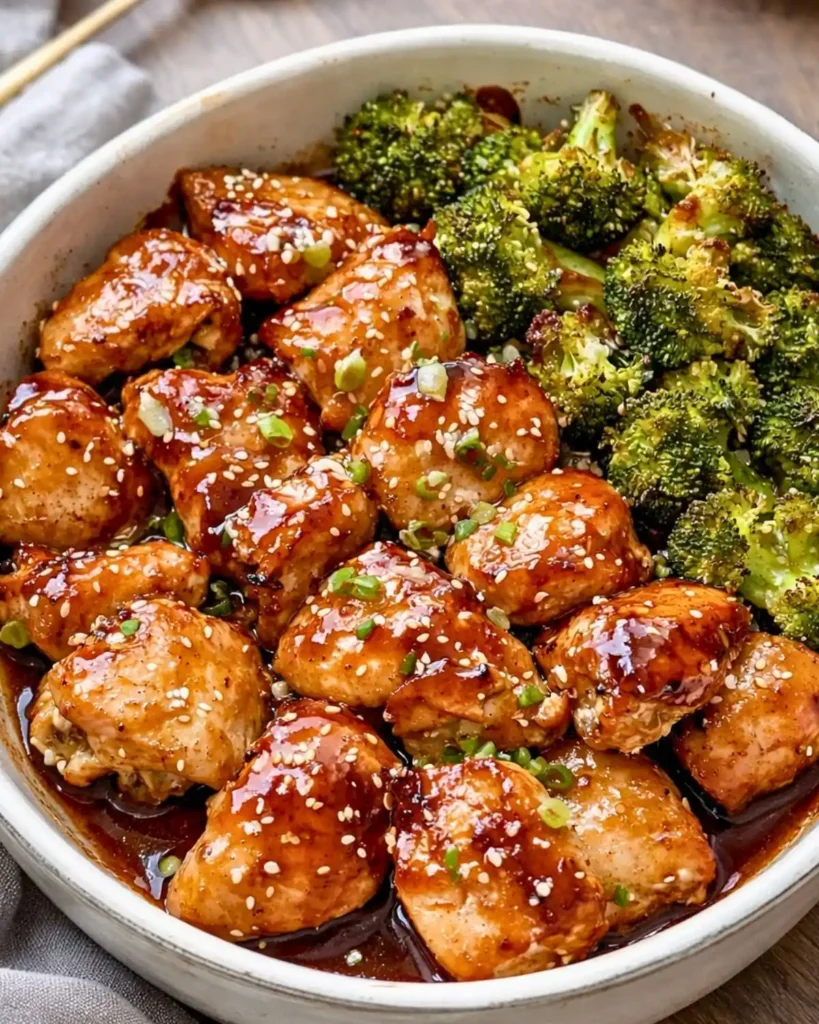
Chef Tips for Perfect Results
- Choose chicken thighs over breasts because they contain more intramuscular fat, staying moist even if slightly overcooked. Thighs reach optimal doneness at 165°F while breasts can taste dry at the same temperature. The dark meat develops superior flavor complexity.
- Pat chicken completely dry before seasoning because moisture prevents crispy skin formation. Use paper towels and press gently rather than wiping aggressively, which damages delicate flesh.
- Don’t skip preheating the air fryer because cold-start cooking produces uneven results and reduces exterior crispiness. Set your timer for preheating and wait for confirmation before adding chicken.
- Flip the chicken exactly halfway through cooking to ensure both sides brown evenly and cook through consistently. Mark your timer to flip at the seven-to-eight-minute mark for 15-minute total cooking.
- Mix the cornstarch slurry immediately before adding to sauce because cornstarch settles and separates from water. Keep the mixture suspended by stirring continuously while pouring into the hot sauce.
- Taste the sauce before serving to adjust sweetness or saltiness to your preference. Add half-teaspoon increments of honey for more sweetness or teaspoon amounts of vinegar for additional tang.
Common Mistakes to Avoid
Overcrowding the air fryer basket prevents hot air circulation, resulting in uneven cooking and soggy rather than crispy chicken. Fix this by cooking in batches if necessary, ensuring each piece has space on all sides. Never stack pieces on top of each other, which traps steam and creates undesirable texture.
Skipping the paper towel dry step leaves excess moisture on the surface, which converts to steam instead of heat during cooking. This steam prevents browning and creates a rubbery exterior texture. Always pat chicken completely dry before seasoning, spending extra time on areas where moisture pools.
Adding cornstarch directly to hot sauce without mixing with water first creates clumps that won’t dissolve. These clumps remain visible and create gritty texture throughout the sauce. Always create a slurry by mixing cornstarch with cold water until completely smooth before adding to hot liquid.
Oversaucing the chicken can make it soggy and masks the natural chicken flavor you worked to develop. Add sauce gradually and toss gently rather than drowning the meat. You can always add more sauce, but you cannot remove excess sauce after adding it.
Cooking at temperatures below 380°F results in pale, soft chicken lacking the desirable golden-brown exterior. Lower temperatures increase cooking time and reduce crispiness. Verify your air fryer’s actual temperature using an oven thermometer if results seem pale.
Variations and Substitutions
| Ingredient | Substitution | Impact on Flavor |
|---|---|---|
| Honey | Maple syrup (equal amount) | Adds earthier, deeper sweetness with subtle caramel notes. Sauce becomes slightly darker in color. |
| Honey | Agave nectar (equal amount) | Creates more neutral sweetness with thinner sauce consistency. Slightly less pronounced flavor intensity. |
| Brown sugar | White sugar (equal amount) | Produces cleaner sweetness without molasses depth. Sauce becomes slightly less rich and complex. |
| Rice vinegar | Apple cider vinegar (¾ tablespoon) | Introduces fruity, slightly tart notes. Use less quantity as apple cider vinegar is more acidic and assertive. |
| Rice vinegar | Lime juice (1 tablespoon) | Adds bright citrus character and Asian-fusion angle. Creates fresher, lighter sauce profile. |
| Sesame oil | Chili oil (½ teaspoon added) | Introduces subtle heat and complexity. Maintain sesame oil at ½ teaspoon to preserve teriyaki identity. |
| Fresh ginger | Ground ginger (⅓ teaspoon) | Reduces fresh peppery bite, creating warmer spice note. Becomes more subtle in the overall sauce. |
| Chicken thighs | Chicken breasts (4 pieces) | Creates leaner dish with less fat. Cook time remains same but watch carefully to prevent dryness at 165°F. |
| Chicken thighs | Chicken drumsticks (6-8 pieces) | Extends cooking time to 18-20 minutes depending on size. Creates more rustic presentation and economical option. |
| Low-sodium soy sauce | Tamari (equal amount) | Provides gluten-free option with slightly deeper, less salty umami. Maintains teriyaki character perfectly. |
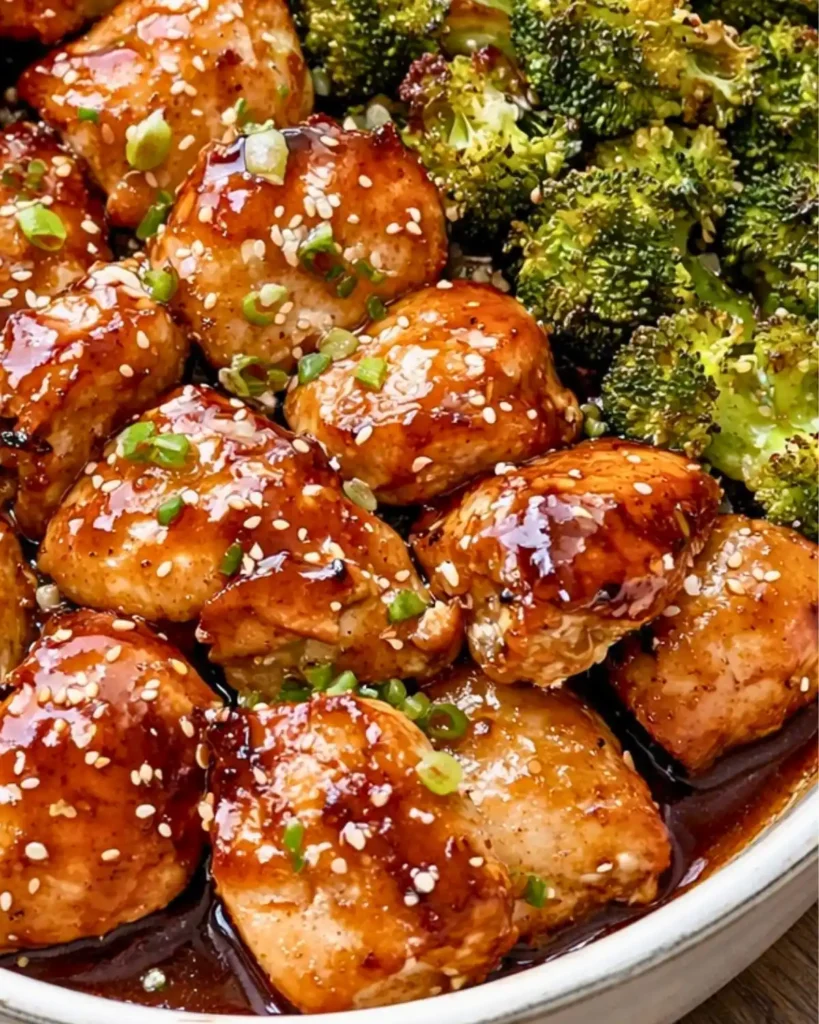
Serving Suggestions and Pairings
Serve teriyaki chicken with steamed jasmine rice to soak up the glossy sauce and complement the Asian flavors. The neutral rice provides textural contrast and absorbs excess glaze beautifully. This classic pairing appears in restaurants and works perfectly for weeknight dinners or meal prep.
Create a complete bowl by layering cauliflower rice or brown rice with teriyaki chicken, steamed broccoli florets, shredded carrots, and sliced cucumbers. Drizzle additional teriyaki sauce over the bowl and top with sesame seeds and green onions. This presentation works for meal prep containers and impresses at casual lunch gatherings.
Pair teriyaki chicken with roasted vegetables like bell peppers, zucchini, and snap peas for an elegant weeknight dinner. Roast vegetables at 400°F for 15 minutes while the chicken cooks in the air fryer, creating synchronized timing. Serve on a platter family-style for casual entertaining.
Create an Asian-inspired salad by shredding the teriyaki chicken and tossing it with mixed greens, shredded cabbage, sliced radishes, and crispy chow mein noodles. Drizzle with ginger-sesame dressing and garnish with sesame seeds. This lighter option works perfectly for warm weather entertaining or solo lunches.
Slice teriyaki chicken and serve in rice bowls topped with a fried egg, steamed broccoli, and kimchi for a Korean-inspired breakfast or brunch. The combination creates satisfying comfort food that elevates simple components into restaurant-quality appeal.
Storage and Reheating
| Method | Duration | Instructions |
|---|---|---|
| Refrigerator Storage | 3-4 days | Transfer cooled teriyaki chicken to an airtight container with the sauce. Store on the middle shelf away from raw proteins. Keep sauce and chicken together to maintain moisture. |
| Freezer Storage | 2-3 months | Place cooled chicken in a freezer-safe container, cover with plastic wrap, then seal the container. Label with date and contents. Sauce and chicken freeze well together. |
| Air Fryer Reheating | 5-7 minutes at 350°F | Place refrigerated teriyaki chicken in the air fryer basket at 350°F for 5-7 minutes. Transfer cold chicken directly from refrigerator; preheating takes 3 minutes. Check internal temperature reaches 165°F before serving. |
| Microwave Reheating | 2-3 minutes | Transfer teriyaki chicken to a microwave-safe dish, cover loosely with a microwave cover. Heat at 50 percent power for 2-3 minutes, checking halfway through. This gentle heating prevents tough, rubbery texture. |
| Stovetop Reheating | 3-5 minutes | Place teriyaki chicken with sauce in a skillet over medium-low heat, covered with a lid. Stir occasionally for even heating. This method revives crispy exterior better than microwave. |
| Frozen Reheating | 12-15 minutes at 360°F | Place frozen teriyaki chicken directly in the air fryer at 360°F for 12-15 minutes without thawing. Extend cooking time slightly due to frozen state. Check internal temperature reaches 165°F before serving. |
Nutritional Information
| Nutrient | Amount per Serving |
|---|---|
| Calories | 285 |
| Protein | 32g |
| Total Fat | 8g |
| Saturated Fat | 1.5g |
| Carbohydrates | 18g |
| Dietary Fiber | 0g |
| Sugar | 14g |
| Sodium | 480mg |
| Approximate values per serving (¼ recipe with chicken thigh and sauce). Values based on USDA database and vary by brand. Does not include rice or vegetable sides. | |
Frequently Asked Questions
Can I use chicken breast instead of thighs for this teriyaki air fryer recipe?
Chicken breasts work as a leaner alternative with identical cooking time and temperature. Breasts contain less fat than thighs, making them prone to dryness if cooked beyond 165°F, so monitor temperature carefully. Use skinless breasts of similar size to thighs for consistent cooking results.
How do I know when teriyaki chicken in the air fryer reaches the right doneness?
Insert a meat thermometer into the thickest part of each chicken piece, confirming the internal temperature reaches 165°F (75°C). The meat should no longer show any pink when cut at the thickest point, and juices should run clear rather than pink. These three visual checks combined with the thermometer reading confirm safe doneness.
Why did my teriyaki chicken come out dry in the air fryer?
Overcooking causes dryness, so always verify temperature at 12-minute mark rather than waiting the full 15 minutes. Using chicken breasts instead of thighs contributes to dryness because they lack intramuscular fat. If you overseasoned during preparation, salt can also draw out moisture, so measure seasonings carefully.
Can I make this teriyaki chicken ahead of time for meal prep?
Cook teriyaki chicken completely and store it with sauce in an airtight refrigerator container for up to four days. You can also prepare the sauce separately and store it for three days, then combine with chicken just before serving. For freezing, store both chicken and sauce together for two to three months.
What should I serve with teriyaki chicken for a complete meal?
Pair teriyaki chicken with steamed jasmine rice or brown rice as the foundation of a balanced meal. Add steamed vegetables like broccoli, snap peas, or carrots to provide nutrients and textural variety. A crisp cucumber salad or pickled vegetables provide brightness and contrast to the sweet glaze.
Conclusion
Teriyaki chicken in an air fryer delivers restaurant-quality results in your kitchen with minimal effort and cleanup. This recipe proves that weeknight dinners can taste extraordinary when you combine quality ingredients with proper technique. The glossy, caramelized sauce coating perfectly crispy chicken creates an irresistible dish your family requests repeatedly. Prepare this versatile recipe now and experience why teriyaki chicken becomes a household staple.
PrintTeriyaki Chicken in Air Fryer
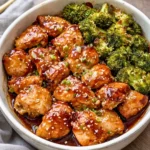
Tender, juicy chicken thighs with a glossy homemade teriyaki glaze, air-fried to crispy perfection. Ready in under 25 minutes with no oil, offering an authentic Asian takeout-style flavor at home.
- Prep Time: 10
- Cook Time: 15
- Total Time: 25
- Yield: 4 servings
- Category: Quick Dinner Recipes
- Method: Air Frying
- Cuisine: Asian
Ingredients
Boneless, skinless chicken thighs (4 pieces, 5-6 oz each)
Olive oil (1 tablespoon)
Salt (½ teaspoon, adjust to taste)
Black pepper (½ teaspoon, freshly ground)
Garlic powder (½ teaspoon or ¼ teaspoon fresh minced garlic)
Low-sodium soy sauce (¼ cup)
Honey (2 tablespoons)
Cornstarch (1 tablespoon, optional for thicker glaze)
Sesame oil (1 teaspoon)
Rice vinegar (1 teaspoon)
Sesame seeds (1 teaspoon, optional garnish)
Instructions
Season chicken thighs with salt, pepper, and garlic powder.
Coat lightly with olive oil and place in air fryer basket.
Air fry at 400°F (200°C) for 10 minutes, then flip and cook 5 more minutes.
Meanwhile, whisk soy sauce, honey, cornstarch, sesame oil, and rice vinegar for the glaze.
Return chicken to air fryer, brush glaze evenly over each piece.
Air fry 2-3 minutes more until glaze caramelizes.
Garnish with sesame seeds and serve warm.
Notes
Use chicken thighs for juicier results than breasts.
Adjust soy sauce and honey to taste.
Air fryer rack rotation is recommended for even cooking.
Leftovers store 2-3 days refrigerated. Freeze uncooked chicken for longer storage.
Nutrition
- Serving Size: 1 chicken thigh with 2 tablespoons glaze
- Calories: 320
- Sugar: 18g
- Sodium: 800mg
- Fat: 12g
- Saturated Fat: 1.8g
- Carbohydrates: 22g
- Fiber: 0g
- Protein: 34g
- Cholesterol: 75mg